

India joins Vietnam, Japan, Thailand, South Korea, China, Sri Lanka, and more countries in Asia in confronting a severe threat to their tourism sectors due to the ongoing Middle East conflict.
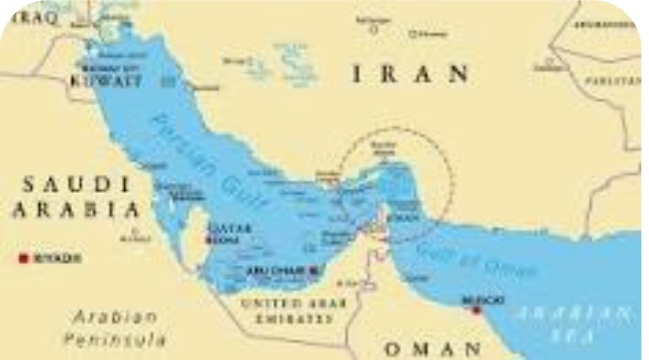
With the closure of the Strait of Hormuz and escalating fuel prices, nations heavily dependent on energy imports from the region are grappling with skyrocketing transportation costs, flight cancellations, and travel disruptions.
These challenges have resulted in a significant decline in international arrivals, further straining the tourism industries that are vital to their economies.
The ongoing geopolitical crisis in the Middle East is sending shockwaves across the globe, especially in Asia, where tourism—one of the most vital sectors of many national economies—is facing an unprecedented threat. As the conflict continues to escalate, the Middle East’s influence on Asia’s energy supply, airspace access, and travel patterns is undeniable.
Southeast and East Asian countries, such as India, Vietnam, Japan, Thailand, South Korea, China, and Sri Lanka, are now grappling with not only the immediate fallout of rising oil prices but also the long-term effects of travel disruptions.
These challenges are creating a perfect storm for tourism, a crucial industry for these nations, which relies heavily on international travelers and stable fuel prices.