

The standoff over the Strait of Hormuz has intensified after Iran rejected a US-backed draft resolution at the United Nations Security Council, calling it flawed and politically motivated. Tehran argued that the proposal will legitimise unlawful actions rather than help resolve the conflict.
Iran said the only path towards stability is ending the war, lifting the US maritime blockade on Iranian ports and restoring normal shipping through the Strait of Hormuz. Tehran has appealed to UN member states not to support the proposed resolution.
The draft resolution, backed by the United States along with Bahrain, Saudi Arabia, UAE, Kuwait and Qatar, seeks to protect freedom of navigation in one of the world’s most critical energy corridors. Washington has accused Iran of threatening commercial shipping and destabilising maritime traffic.
Iran’s military said US forces targeted an Iranian oil tanker and another vessel near Fujairah port in the UAE, while American air strikes reportedly hit civilian areas in Bandar Khamir, Sirik and Qeshm Island. Iranian air defence systems were also active over western Tehran.
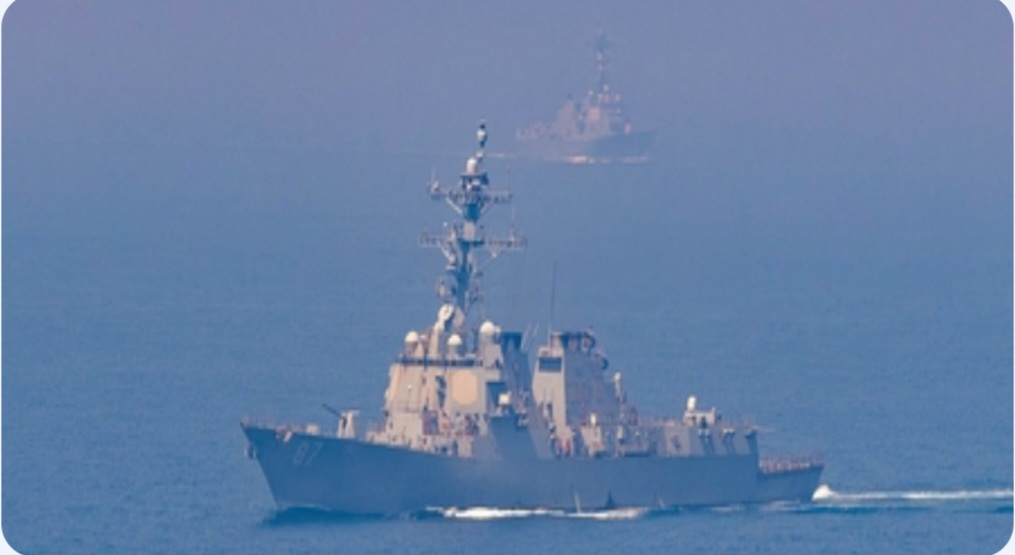
The US military stated that its naval forces in the Strait of Hormuz faced missile, drone and fast-boat attacks by Iranian forces.
According to Washington, US troops responded by intercepting threats and targeting facilities linked to attacks on American assets.
Akashvani correspondent reports that adding to the human cost of the escalating maritime conflict, India’s mission in Dubai expressed grief over the death of an Indian crew member aboard a vessel, describing it as an unfortunate incident at sea.
Separately, Iran seized a tanker in the Gulf of Oman, while Washington said it had disabled two vessels on the same day.
The developments highlight the growing volatility of the maritime front in the conflict, with commercial shipping, energy supplies and the safety of international crews increasingly caught in the crossfire between the two sides, even as diplomatic efforts continue for a negotiated pause in tensions.
Despite Friday’s cascade of incidents, diplomatic channels have not formally collapsed.
The proposed 14-point US-Iran framework – which would pause hostilities and open 30 days of final negotiations on Iran’s nuclear programme, sanctions, and Strait of Hormuz transit arrangements – remains on the table.
Tehran has not yet formally responded, and both sides continue to frame their military actions as defensive while leaving the door open to talks.