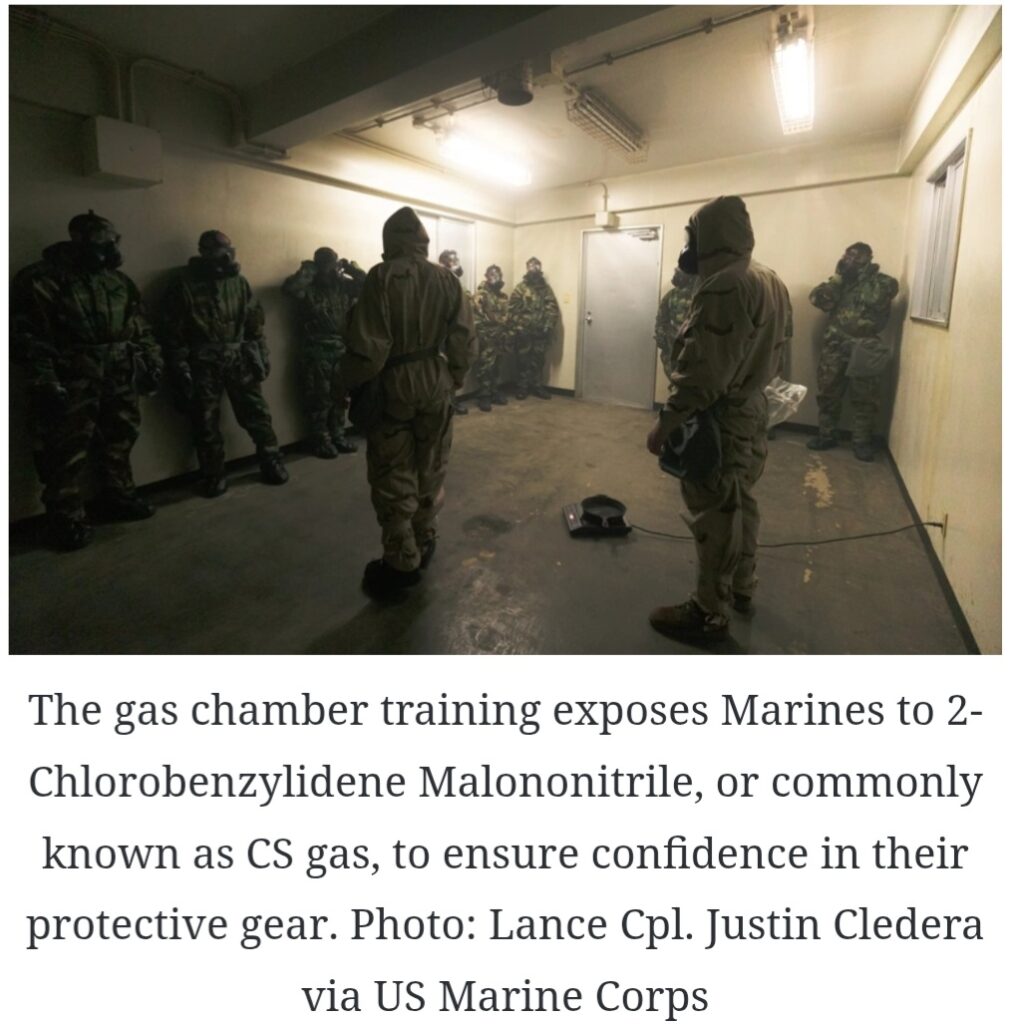

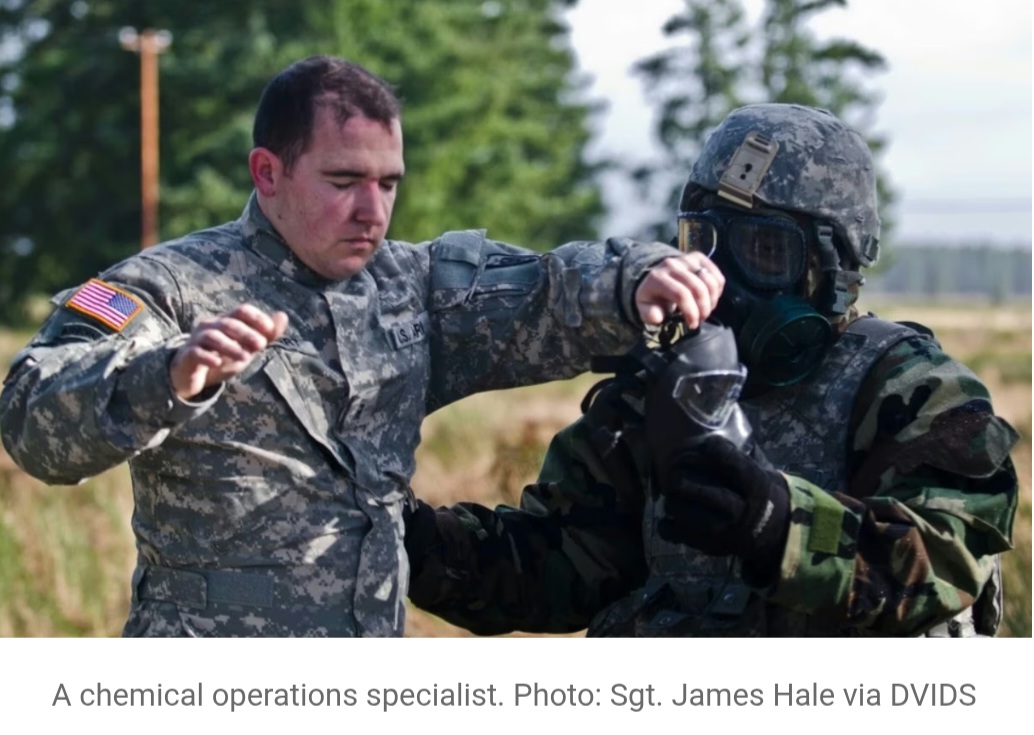
The US Army is accelerating efforts to develop preventive medical treatments to protect troops against chemical weapons.
The initiative is being led by the Joint Project Manager for Chemical, Biological, Radiological, and Nuclear Medical (JPM CBRN Medical), part of the army’s chemical and biological defense acquisition organization.
One of the primary threats is nerve agents, a class of highly toxic chemical weapons that disrupt communication between nerves and muscles, potentially causing paralysis, respiratory failure, and death within minutes if left untreated.
Rather than treating exposure after it occurs, the program focuses on prophylactic medical countermeasures, preventive treatments administered before exposure to help protect the body against toxic chemical agents.
Army officials said traditional development cycles, which can take a decade or more, no longer keep pace with emerging threats.
The goal is to field a US Food and Drug Administration-approved prophylactic that enables personnel to continue operating in contaminated environments while reducing the effects of chemical attacks.
Protective Troop ‘Shield’
To speed development, the US Army is combining two complementary programs.
The Broadening Enabling Acquisition of Chemical Operational Needs initiative identifies and evaluates promising medical countermeasures using data-driven analysis.
Meanwhile, the Prophylactic Technology Systems program advances the most promising candidates toward US Food and Drug Administration approval and eventual deployment.
Supporting both efforts is Metis, a digital evaluation framework that compares candidate technologies using factors such as expected performance, development progress, cost, schedule, regulatory readiness, and operational relevance.
The system is designed to provide a consistent assessment process while protecting companies’ proprietary information.
As part of the effort, JPM CBRN Medical held an industry engagement that attracted more than 100 participants from 27 companies and government organizations, generating 36 submissions in response to a request for information.
The US Army plans to review those proposals, refine program requirements with industry input, and release a Request for Prototype Proposal later this year.