

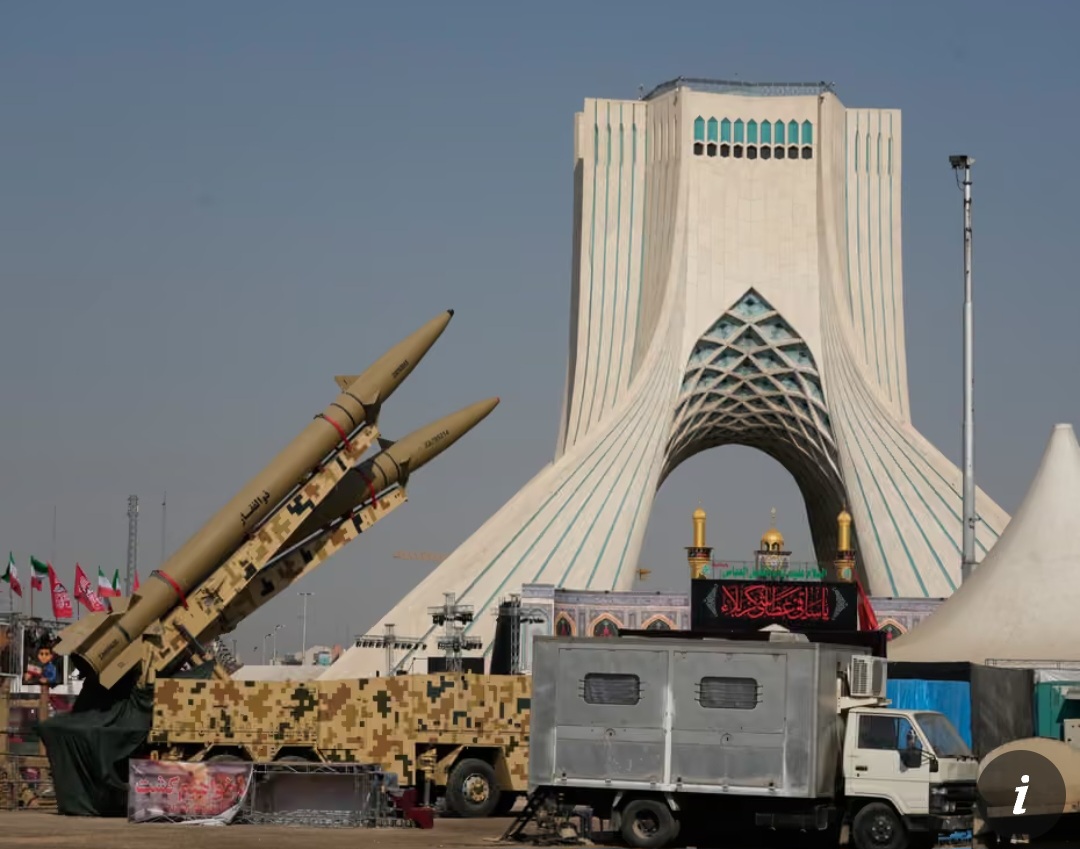
Iran is expected to receive within weeks a first shipment out of up to 400 Chinese-made shoulder-fired air-defence missile launchers, three sources familiar with the deal told Reuters, as it rebuilds its defences amid war with the United States.
The purchase, valued at $60-70 million, is one of Tehran’s largest-known efforts to strengthen its short-range air defences since the outbreak of its war with the US and Israel, which exposed gaps in Iran’s ability to protect military sites and strategic infrastructure.
The contract covers the purchase of between 300 and 400 man-portable air defence systems (MANPADS), including Chinese-made QW-12 and FN-16 missiles, the sources said.
The deal was signed with Zhongqing Baoshang International Investment, a Hong Kong-based company that the sources said was acting as an intermediary between the Iranian side and the Chinese supplier.
Iran’s Islamic Revolutionary Guard Corps (IRGC) said three of its members were killed in a US attack on the north-western Zanjan province this morning, state media reported.
Valued at $60–70 million, the purchase is among Tehran’s largest known efforts to strengthen short‑range air defences since the outbreak of fighting with the US and Israel, which exposed gaps in Iran’s ability to protect military sites and strategic infrastructure. The contract covers between 300 and 400 man‑portable air defence systems (MANPADS), including QW‑12 and FN‑16 missiles.
The deal was signed with Zhongqing Baoshang International Investment, a Hong Kong‑based intermediary. Iran’s foreign ministry did not comment, while China’s Foreign Ministry dismissed the reports as “completely groundless.” The parent company in Beijing did not respond to requests for comment.
Deliveries are planned by air from Urumqi in western China, transiting through Pakistan, though details could change. Pakistan’s military rejected speculation of involvement, calling reports “absolutely concocted and false.”
Iran has sought to rearm after months of strikes on its missile, drone and air‑defence facilities. Portable systems are valued because they can be dispersed quickly, operated by small teams and relocated frequently, making them less vulnerable than fixed batteries.