

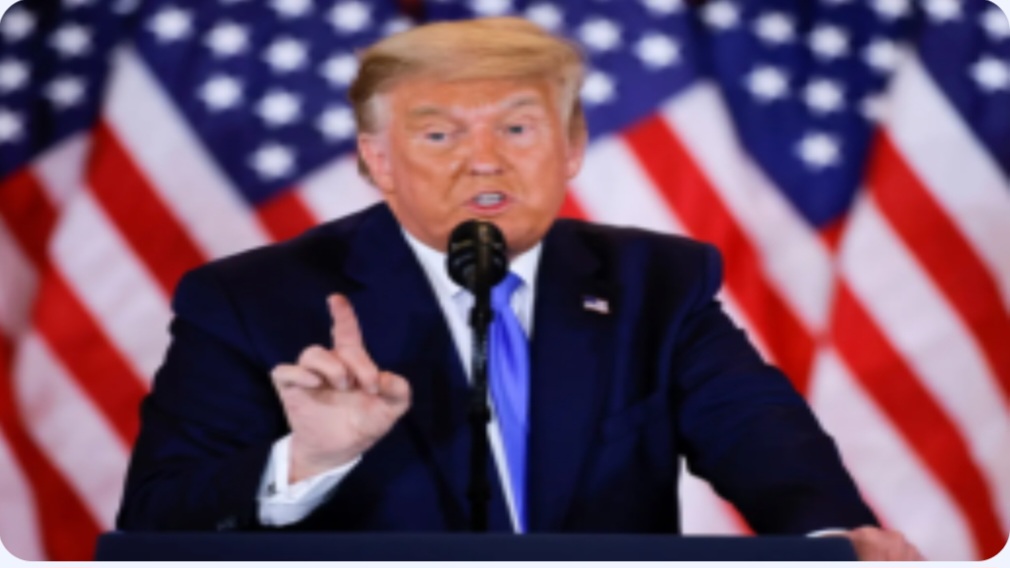
U.S. President Donald Trump has announced a five-day extension to his deadline for Iran to reopen the Strait of Hormuz, saying the US will hold off on power plant strikes for five days. Mr. Trump made this announcement in a social media post, just hours ahead of the earlier deadline.
He noted that recent discussions between US and Iranian officials have been very good and productive, expressing optimism that they could lead to a complete and total resolution of the conflict.
He said, the suspension of his threat to attack Iranian power plants was subject to the success of the ongoing meetings and discussions. The U.S. President added that negotiations are set to continue throughout the week as both sides work toward a possible diplomatic breakthrough.
Meanwhile, Iranian state media reported that Tehran has firmly rejected the prospect of talks with Washington, emphasizing that no direct dialogue is currently taking place between the two sides.
In a statement carried by the Semi official Mehr news agency, Iran’s Foreign Ministry dismissed recent remarks by U.S. President Trump, suggesting they are intended to ease pressure on global energy markets and buy time for potential military planning.
Despite these diplomatic signals, the situation on the ground remains volatile. In Israel’s northern theatre, military operations in southern Lebanon are intensifying, with continued airstrikes and demolitions reported in border areas.
Finance Minister Bezalel Smotrich said Israel should extend its border up to the Litani River, marking one of the clearest statements yet by a senior official on the possibility of seizing Lebanese territory in operations targeting Hezbollah.
Across the Gulf, regional countries are navigating a complex and evolving security environment. Officials in Saudi Arabia, Qatar and Bahrain have called for a lasting resolution that addresses missile and drone threats to civilian infrastructure.
Oman continues mediation efforts focused on securing safe navigation through the Strait of Hormuz, while Gulf states increasingly stress the need for guarantees against future attacks on critical energy and desalination facilities.
In the United Arab Emirates, air defence systems remain on high alert. Authorities report intercepting seven missiles and sixteen drones in the past several hours.
Presidential adviser Anwar Gargash has criticised the pace of the international response, while reiterating the UAE’s support for a coalition of more than twenty countries calling for a halt to attacks on civilian infrastructure and the protection of freedom of navigation in Gulf waters.
The latest developments open a narrow window for de-escalation, but the risk of a wider conflict remains high. The United States’ decision to delay strikes signals a tactical pause rather than a breakthrough, as divisions between Washington and Tehran continue.
Israeli forces are expanding operations in Lebanon, while threats to Gulf infrastructure are increasing the risk of regional spillover. Gulf states are now prioritising long-term security guarantees, particularly to counter missile and drone attacks on critical energy systems.
As global oil markets react sharply, the coming days will determine whether diplomacy stabilises the situation or tensions escalate further across West Asia.