

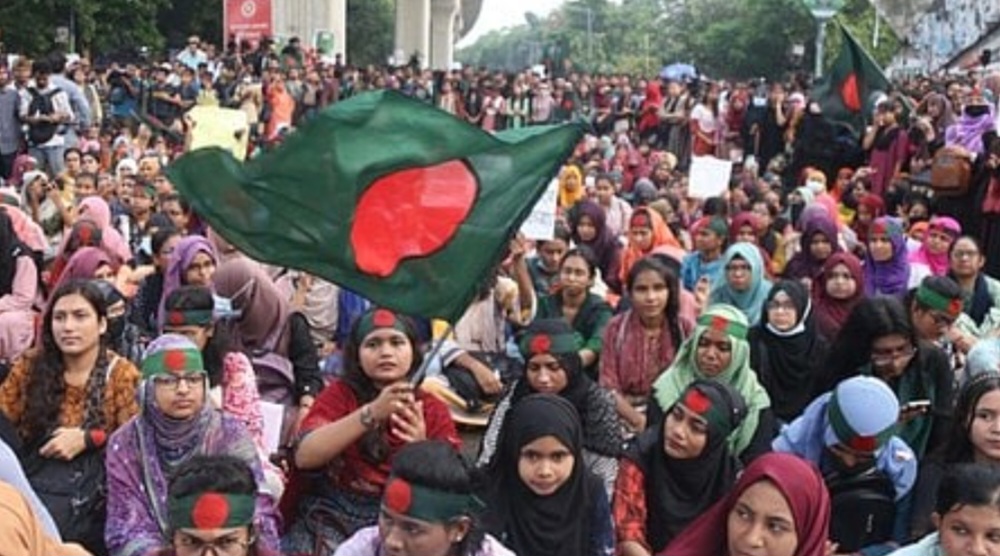
As Bangladesh approaches parliamentary elections on Thursday, mounting reports of bullying, character assassination, sexual harassment and threats against women candidates have sparked serious concerns over women’s safety and meaningful participation in politics.
Election Commission data shows women account for only about 4 percent candidates contesting the 13th Jatiya Sangsad election. Of the 51 political parties in the race, 30 have not fielded a single woman candidate. Although women make up nearly half of the population, their presence on ballot papers remains marginal. Polls will be held in 299 constituencies after voting in one seat was cancelled following a candidate’s death.
Several women candidates say they are facing coordinated harassment both online and on the ground. NCP candidate Dilshana Parul reported sustained online trolling, particularly over wearing a headscarf, along with threats against her campaign workers and attempts to intimidate women voters.
NCP’s Nabila Tasnid said her campaign materials were vandalised and alleged a lack of institutional support, accusing rivals of spreading misinformation and undermining women’s leadership. Gonosanghati Andolon candidate Taslima Akhter said online abuse is easier and harsher against women but vowed not to be deterred from campaigning on women’s rights, education and anti-corruption issues.
The issue has intensified following remarks by Jamaat-e-Islami Ameer Shafiqur Rahman, who said women cannot lead his party and confirmed that Jamaat has not nominated any women candidates. Rights activists say such statements reinforce patriarchal norms and further discourage women from entering politics.
Human rights groups have also raised alarms. A recent Human Rights Watch report noted a rise in violence against women, girls and minorities ahead of the polls, attributing it partly to pressure from hardline groups opposed to gender equality.
With campaigning set to end on February 10, analysts say the sustained targeting of women candidates exposes a deeper democratic crisis. They warn that ensuring women’s safety, dignity and equal political space will be a crucial test for the Election Commission, political parties and the state ahead of the vote.