

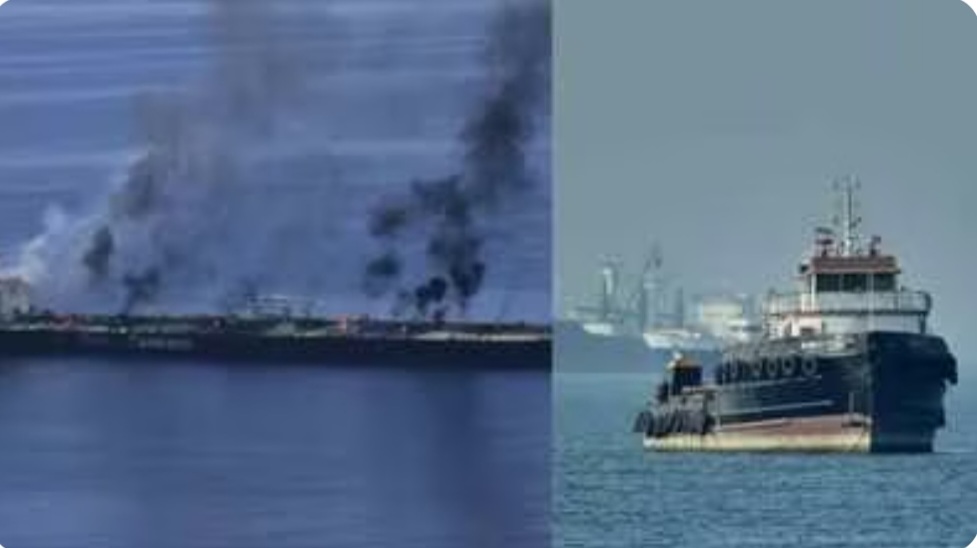
The fragile ceasefire brokered two weeks ago to end a four-month conflict in West Asia faces serious pressure following a series of retaliatory strikes between the United States and Iran over the past 48 hours.
The escalation began on Thursday when an Iranian attack on a commercial vessel in the Strait of Hormuz triggered a sharp US response, followed by what Tehran says was a defensive strike against American military positions in the region today.
Both sides are accusing each other of violating the interim agreement, with Washington and Tehran locked in a cycle of tit-for-tat military action that threatens diplomatic efforts by mediators.
The volatility is spreading beyond US-Iran tensions. Bahrain reported a drone attack today that its Foreign Ministry called a flagrant violation of its sovereignty, while security sources in northern Iraq reported a strike near Erbil.
In the southern theatre, an Israeli drone strike was reported in Lebanon’s Nabatieh area, coming just one day after Israel and Lebanon signed a US-brokered framework agreement aimed at Israeli withdrawal and restoring Lebanese state authority — a deal that Hezbollah has already rejected and that has triggered protests in Beirut.
Maritime security agencies are raising alarm bells. Britain’s UKMTO reported that a tanker struck on Saturday sustained damage to its bridge, with all crew reported safe. The Joint Maritime Information Center, which coordinates naval protection of shipping lanes, has elevated its security threat level in response to recent incidents.
Iran’s Revolutionary Guards claim they fired warning shots at vessels using channels not approved by Tehran, suggesting the Islamic Republic is reasserting control over one of the world’s most critical energy shipping corridors — a route that had begun reopening after months of disruption.
At the heart of the escalation is a breakdown in mutual compliance. Iran has accused the United States of failing to uphold the ceasefire, particularly by not sustaining promised restraint in Lebanon.
Israel’s new agreement with Lebanon commits to a gradual withdrawal, but Israeli officials have signalled they will retain control of a significant swathe of seized territory, while Hezbollah refuses to disarm as long as Israeli troops remain deployed.